
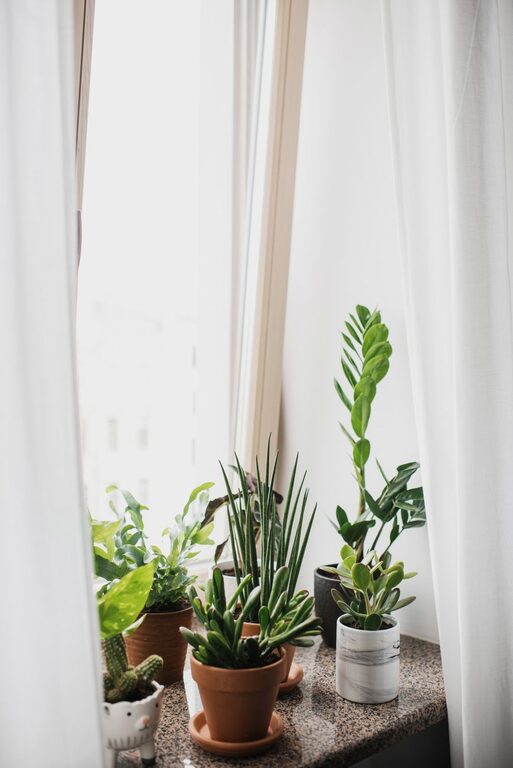
Plants are one of the easiest ways to refresh your home. They add color, texture, and a natural feel without requiring major changes to your furniture or layout. Whether you live in a large house, a small apartment, or a home with limited natural light, the right plants can make your space feel more welcoming.
You do not need to create an indoor jungle to make an impact. A few carefully chosen plants, attractive containers, and thoughtful placement can quickly transform a room. Here is how to use plants to update your home in a simple and practical way.
Start by Understanding Your Space
Before buying plants, look around your home and consider the conditions in each room. Plants have different needs, so choosing varieties that match your space will make care much easier.
Pay attention to:
- Natural light: Note which areas receive bright, indirect light, direct sunlight, or very little light.
- Temperature: Avoid placing plants near heating vents, fireplaces, or drafty doors.
- Available space: Check shelves, tabletops, windowsills, and empty floor areas.
- Humidity: Bathrooms and kitchens are often more humid than bedrooms and living rooms.
- Your schedule: If you travel often or have a busy routine, choose plants that need less frequent watering.
Spend a day observing how sunlight moves through each room. This will help you choose better locations and avoid placing plants where they may struggle.
Choose Plants That Fit Your Style
Plants can support the overall look of your home. A trailing plant can soften a shelf, while a tall plant can fill an unused corner. Consider the shape, color, and size of each plant before bringing it home.
For a clean and simple look
Choose plants with clear shapes and green leaves, such as snake plants, rubber plants, or ZZ plants. Place them in simple white, black, or neutral-colored pots to create a calm appearance.
For a warm and relaxed look
Try plants with soft, flowing leaves, such as pothos, ferns, or spider plants. Woven baskets, terracotta pots, and natural wood stands can add warmth and texture.
For a colorful look
Look for plants with patterned or colorful foliage. Plants such as prayer plants or certain varieties of calathea can add visual interest without relying on flowers. Use a few colorful pots or pair the plants with artwork in similar tones.
Use Plants to Improve Empty Areas
One of the best ways to refresh a room is to fill spaces that feel unfinished. An empty corner, bare shelf, or plain windowsill can become a focal point with the right plant.
A tall plant works well beside a sofa, reading chair, or cabinet. Choose a plant with a narrow shape if the area is small. A plant stand can raise a medium-sized plant and make it more noticeable without taking up much floor space.
For shelves, combine plants of different sizes. Place a small upright plant next to a trailing variety, then add books, framed photos, or small decorative objects. Varying the height of each item will create a more balanced display.
If your home has limited floor space, use hanging planters or wall-mounted shelves. These options keep surfaces clear while adding greenery at eye level.
Create Attractive Plant Groups
Grouping several plants together can create a stronger visual effect than placing them separately. To make a group look intentional, use plants with different heights, shapes, and leaf sizes.
A simple arrangement might include:
- One tall plant as the main feature
- One medium-sized plant with broad leaves
- One smaller plant or trailing plant near the front
Keep the containers coordinated by choosing similar materials or colors. The pots do not need to match exactly, but they should work well together. For example, terracotta, cream, and light brown containers can create a warm, natural grouping.
Leave enough space between plants for air movement and easy watering. Crowded displays may look attractive at first but can become difficult to maintain.
Refresh Your Containers and Plant Stands
Sometimes the plants you already own only need new containers or better placement. Replacing worn pots can make familiar plants feel new again.
When choosing a container, make sure it has drainage holes or use a nursery pot inside a decorative cover. Drainage helps prevent excess water from collecting around the roots.
Plant stands are another easy way to update a room. A raised plant can add height to a low arrangement and make a corner feel more complete. Use stands made from materials that match your existing decor, such as wood, metal, or woven fiber.
You can also create a layered display by placing plants at floor level, on a stand, and on a nearby table. This adds depth without requiring many additional pieces.
Match Plants to Each Room
Different rooms offer different opportunities for plant displays.
Living room
Use a large plant to create a focal point near a window or empty corner. Smaller plants can be placed on coffee tables, bookcases, or side tables. Avoid blocking walkways or television screens.
Kitchen
Small herbs can add freshness to a sunny windowsill. If your kitchen receives limited light, choose easy-care greenery instead. Place plants away from hot stovetops and areas where they may be splashed with water or cooking oils.
Bedroom
Choose plants with soft shapes and a simple appearance to support a calm atmosphere. A small plant on a dresser or nightstand can be enough. Keep the area around your bed uncluttered.
Bathroom
Many plants enjoy the extra humidity found in bathrooms. Use a shelf, windowsill, or hanging planter to add greenery without taking up valuable counter space. Make sure the room receives enough natural light for the plants you choose.
Make Plant Care Part of Your Routine
A refreshed home stays attractive when plants are healthy and well maintained. Create a simple care routine that fits your schedule.
Check the soil before watering rather than following a fixed calendar. If the top layer feels dry, the plant may need water. If it still feels damp, wait a little longer. Different plants and rooms may require different watering schedules.
Dust leaves regularly with a soft, damp cloth. Clean leaves can absorb light more effectively and will look brighter. Remove yellow or damaged leaves with clean scissors, and rotate pots occasionally so plants grow evenly toward the light.
Set a reminder once a month to inspect your plants for pests, crowded roots, or signs of stress. Early attention can help prevent small problems from becoming larger ones.
Refresh Your Home One Plant at a Time
You do not need to redesign your entire home to enjoy the benefits of indoor plants. Start with one room and identify an area that feels empty or dull. Add a suitable plant, place it in a container that complements your decor, and observe how the space changes.
As you gain confidence, experiment with plant groupings, hanging displays, and different heights. Choose plants based on the conditions in your home and the amount of care you can provide. With a thoughtful approach, even a few healthy plants can make your home feel brighter, more comfortable, and more connected to nature.