
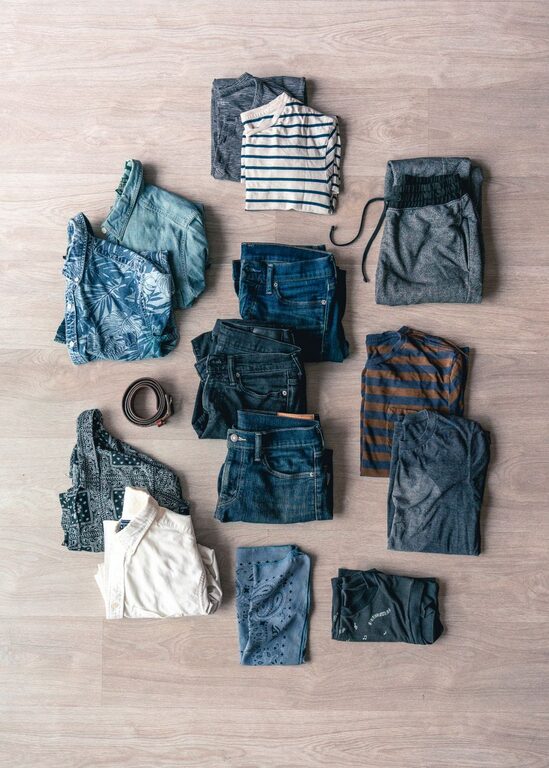
Building a capsule wardrobe is a simple way to make getting dressed easier. Instead of keeping a closet full of items you rarely wear, you focus on a smaller collection of clothing that works well together and suits your daily routine.
A capsule wardrobe does not need to follow a strict number of items or a specific fashion trend. The goal is to create a practical selection of clothes you enjoy wearing, use regularly, and can combine in several ways.
What Is a Capsule Wardrobe?
A capsule wardrobe is a curated collection of clothing, shoes, and accessories that can be mixed and matched to create a variety of outfits. Most pieces are chosen because they are versatile, comfortable, and appropriate for your lifestyle.
A basic capsule wardrobe often includes:
– Everyday tops
– Casual and polished bottoms
– A few layering pieces
– One or two jackets or coats
– Comfortable shoes
– Simple accessories
– A small number of seasonal items
The ideal size depends on your needs. Someone who works from home may need very different pieces from someone who dresses formally for work. Rather than copying someone else’s list, use your own schedule and preferences as a guide.
Step 1: Review Your Current Closet
Before buying anything, look at what you already own. Set aside enough time to try on your clothes and examine each item carefully.
Create four groups:
- **Keep:** Items that fit well, feel comfortable, and suit your current lifestyle.
- **Repair or alter:** Items that could be useful after a small fix or adjustment.
- **Donate or sell:** Items that no longer fit, match your style, or earn their place in your closet.
- **Seasonal storage:** Pieces you enjoy but do not need during the current season.
Ask yourself a few practical questions:
– Have I worn this in the past year?
– Does it fit comfortably today?
– Can I create at least two or three outfits with it?
– Is it suitable for my current routine?
– Would I choose to buy it again?
Try to make decisions based on how you live now, not on an ideal version of your lifestyle. Clothes should support your daily activities rather than take up space for an imagined future.
Step 2: Identify Your Most-Worn Colors
A simple color plan makes mixing and matching much easier. Start with two or three neutral colors, such as:
– Black
– White
– Gray
– Navy
– Beige
– Brown
– Olive
Then choose one or two accent colors that you enjoy wearing. These might be brighter shades, soft pastels, or rich tones.
For example, a wardrobe could use navy, white, and beige as its main colors, with green and rust as accents. This does not mean every item must match perfectly. It simply gives you a helpful starting point when choosing new pieces.
Look at the clothes you wear most often. The colors you repeatedly reach for can reveal your natural preferences better than a style quiz or trend guide.
Step 3: Choose Basic Wardrobe Categories
Once you know what you already own and which colors you prefer, build a simple list of clothing categories. The exact number of pieces is flexible, but a starting wardrobe might include:
Tops
Choose a mixture of everyday shirts, blouses, sweaters, or lightweight layers. Aim for pieces that work with several bottoms.
A useful starting point could be:
– Three to five casual tops
– One or two polished tops
– One sweater or warm layer
– One versatile button-up shirt
Bottoms
Select bottoms that suit your routine and can be dressed up or down.
Consider:
– One pair of jeans
– One pair of casual trousers
– One more polished pair of pants
– One skirt or additional pair of jeans, if useful
– One pair of shorts for warm weather
Layers
Layering pieces add variety and help you adapt to changing temperatures.
Good options include:
– A cardigan
– A casual jacket
– A blazer
– A denim or utility jacket
– A light coat
You may not need all of these. Choose the styles that fit your climate and daily activities.
Dresses or One-Piece Outfits
If you enjoy wearing dresses or jumpsuits, include one or two that can work for more than one setting. A simple dress may be worn with sneakers during the day and with more polished shoes for an evening event.
Shoes
A basic wardrobe usually benefits from a small selection of shoes for different purposes:
– Everyday sneakers
– Comfortable flats or loafers
– Boots
– Sandals or warm-weather shoes
– A dressier option, if needed
Choose comfort first. Shoes that are attractive but difficult to wear will probably remain unused.
Step 4: Focus on Fit and Comfort
A capsule wardrobe works best when every item is easy to wear. Pay close attention to fit, fabric, movement, and care requirements.
A good piece should allow you to move comfortably and should work with the rest of your wardrobe. If an item requires special care, feels uncomfortable, or needs constant adjustment, you may not reach for it often.
You do not need to choose expensive clothing. Look for dependable construction, comfortable materials, and items that fit your budget. A well-fitting, affordable garment can be more useful than a costly piece that does not suit your routine.
Step 5: Create Outfit Combinations
After selecting your core pieces, create several complete outfits. This helps you see whether your wardrobe is truly versatile.
Try building outfits for situations such as:
– A regular day at home
– Running errands
– A casual workplace
– A dinner or social event
– A weekend outing
– A colder or warmer day
Take photos or write down combinations you like. This can save time on busy mornings and may help you notice which items are not working well together.
As a general guide, each top should work with at least two or three bottoms, and each layer should coordinate with several outfits. If a piece only works with one specific item, consider whether it is worth keeping.
Step 6: Shop With a List
Once you know what is missing, create a focused shopping list. Avoid buying items simply because they are on sale or currently popular.
Before making a purchase, ask:
– Does this fill a real gap?
– Does it work with at least three items I own?
– Is the color easy to combine?
– Will I wear it during a typical week?
– Do I already own something similar?
– Is it comfortable and practical?
A short waiting period can also help. If you still want the item after a few days, it may be a more thoughtful choice than an impulse purchase.
Step 7: Maintain Your Capsule Wardrobe
A capsule wardrobe is not a one-time project. Your needs, style, and schedule may change over time. Review your clothing at the beginning of each season or whenever your routine changes.
Remove items that no longer fit your lifestyle, repair clothing that needs attention, and replace worn-out basics when necessary. You can also rotate seasonal pieces so your closet remains easy to use.
Remember that a capsule wardrobe should make life simpler, not create strict rules. Add clothing when it serves a clear purpose, and keep favorite items even if they do not fit a particular formula.
Final Tips for Success
Start small and adjust gradually. You do not need to replace your entire closet or achieve a perfect wardrobe immediately.
Keep these principles in mind:
– Choose clothes for your real life.
– Prioritize comfort and fit.
– Use a simple color plan.
– Select pieces that create several outfits.
– Shop to fill gaps rather than follow trends.
– Keep items you genuinely enjoy wearing.
– Review your wardrobe regularly.
With a little planning, a basic capsule wardrobe can reduce clutter, simplify daily decisions, and help you feel more confident in the clothes you already own.