
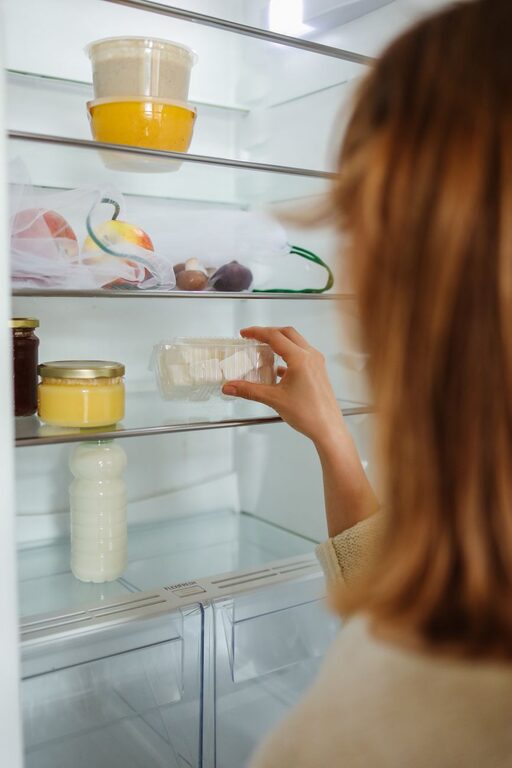
Keeping your fridge and pantry tidy makes cooking easier, reduces food waste, and helps you see what you already have. An organized kitchen does not need to look perfect. The goal is to create a simple system that makes food easy to find, store, and use.
With a few regular habits and practical storage ideas, you can keep your fridge and pantry neat without spending hours on them each week.
Start With a Full Reset
Before organizing, remove everything from your fridge and pantry. Working one shelf or section at a time can make the task feel more manageable.
As you empty each space, sort food into three groups:
– Keep and use soon
– Keep and store properly
– Discard
Check dates, packaging, and the condition of each item. Throw away food that is spoiled, leaking, moldy, or no longer safe to eat. If you are unsure about an item, check the package instructions or follow local food safety guidance.
For unopened food that you will not use, consider donating it if it is still in good condition and accepted by a local food bank.
Once the shelves are empty, wipe them with warm, soapy water. Clean spills and crumbs from corners, drawer tracks, and the area around door shelves. Allow surfaces to dry before putting food back.
Group Similar Items Together
Grouping similar foods is one of the easiest ways to improve organization. It also helps you quickly spot duplicates and avoid buying items you already have.
In the pantry, common categories include:
– Grains and pasta
– Canned foods
– Baking supplies
– Snacks
– Breakfast foods
– Spices and seasonings
– Sauces and condiments
– Tea, coffee, and drink mixes
In the fridge, you might create areas for:
– Dairy products
– Produce
– Leftovers
– Ready-to-eat foods
– Drinks
– Sauces and condiments
Place the items you use most often where they are easy to reach. Less frequently used products can go on higher shelves or toward the back.
Use the First In, First Out Method
A simple “first in, first out” system helps you use older food before newer items. When you buy groceries, move older products toward the front and place newer ones behind them.
This works especially well for:
– Cans and jars
– Cereal and grains
– Pasta
– Snacks
– Yogurt
– Eggs
– Packaged produce
For items with a clear expiration or best-by date, keep the dates visible when possible. You can also write the date opened on containers such as sauces, spreads, or leftovers. This makes it easier to decide what needs to be used soon.
Create a small “use first” area in your fridge. Place leftovers, opened packages, and produce that is close to ripeness in this section. Check it before planning meals or making a shopping list.
Choose Simple Storage Containers
Clear containers can make both the fridge and pantry easier to manage. They let you see what you have and keep small items from spreading across shelves.
Useful options include:
– Clear bins for grouped items
– Stackable containers for leftovers
– Airtight containers for dry goods
– Small baskets for packets and pouches
– Turntables for sauces and jars
– Dividers for drawers
Choose containers that fit your space and are easy to clean. You do not need to replace every package with a matching set. Start with the areas that are hardest to keep organized.
For pantry staples, airtight containers can help protect dry foods from moisture and keep shelves looking neat. Label containers with the food name and, when helpful, the date you opened or stored the item.
Avoid overfilling containers. Leave enough space to scoop or remove food without creating a mess.
Make the Most of Fridge Space
The way you arrange your fridge can make items easier to find. Store similar foods together and use shelves, drawers, and doors for different purposes.
A practical setup may include:
– Upper shelves for ready-to-eat foods and leftovers
– Lower shelves for larger containers or foods that need a stable area
– Drawers for fruits and vegetables
– Door shelves for drinks, sauces, and other items suited to that space
Keep food in sealed containers to prevent spills and odors. Use shallow containers for leftovers so they are easy to see and stack.
Do not pack the fridge too tightly. Some open space allows air to move around and makes it easier to remove items. If shelves are crowded, consider whether some foods can be stored elsewhere or used soon.
Organize the Pantry by Frequency
A pantry is easier to maintain when the most-used foods are within easy reach. Keep daily staples at eye level or on the front of shelves. Store backup items behind them or on higher shelves.
A few helpful pantry zones might include:
Everyday Cooking
Keep pasta, rice, canned vegetables, sauces, and seasonings together. This area can help you quickly gather ingredients for simple meals.
Breakfast and Snacks
Place cereal, oatmeal, toast toppings, crackers, and snack foods in one section. A basket can keep individual packages from becoming scattered.
Baking
Store flour, sugar, baking powder, spices, and decorations together. Keep smaller items in a bin so they do not get lost behind larger packages.
Backstock
Use a separate area for extra cans, unopened packages, and bulk purchases. This prevents backup items from taking over your everyday storage space.
Keep Counters and Shelves Easy to Clean
Tidiness lasts longer when shelves are easy to wipe. Avoid storing loose packets, open bags, or unsealed containers directly on shelves.
Place small items in baskets or bins, and use shelf liners if they are easy to remove and clean. If a jar or container spills, clean it promptly before the mess becomes sticky or attracts pests.
Try not to store more food than your space can comfortably hold. Buying in bulk only saves space and money when you can use the food before it loses quality.
Create a Weekly Maintenance Routine
A short weekly reset can prevent clutter from building up. Choose a day that fits your routine and spend 10 to 15 minutes checking the fridge and pantry.
During the reset:
- Remove empty containers and packaging.
- Move older food to the front.
- Wipe any visible spills.
- Check the “use first” section.
- Add needed items to your shopping list.
- Return misplaced foods to their proper zones.
You can also take a quick look before grocery shopping. This reduces duplicate purchases and helps you plan meals around ingredients you already have.
Make Organization Work for Your Household
The best system is one that everyone can follow. Labels, categories, and containers are useful only if they are simple enough to maintain.
Keep frequently used items within reach of the people who use them. Use large, easy-to-read labels if several family members share the kitchen. Leave a little extra space for new groceries so the system does not become difficult to manage.
A tidy fridge and pantry are not about perfection. They are about creating clear places for food, checking supplies regularly, and making small adjustments as your habits change. With a simple setup and a few minutes of maintenance each week, your kitchen can stay cleaner, calmer, and easier to use.