
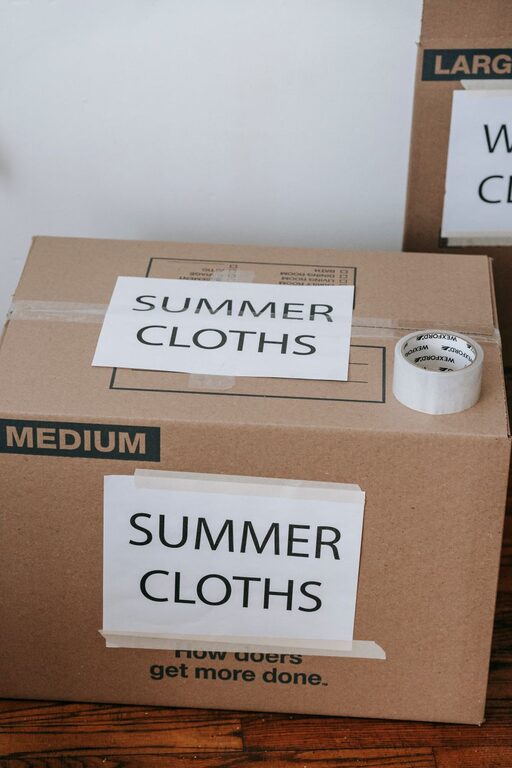
Changing your wardrobe with the seasons can make daily dressing easier, but storing off-season clothes can quickly become messy. Without a simple system, clothes may become wrinkled, musty, damaged, or difficult to find.
Efficient seasonal clothing storage does not require a large closet or expensive equipment. With careful preparation, suitable containers, and clear labels, you can protect your clothes while making the next seasonal change faster and easier.
Start by Sorting Your Clothes
Before storing anything, sort your clothing into clear groups. This prevents you from packing items you no longer wear and helps you understand how much storage space you actually need.
Create separate piles for:
– Clothes to store
– Clothes to keep in your current wardrobe
– Items to donate or give away
– Clothes that need repairs
– Items that need cleaning
Be honest about each piece. If you have not worn something in several seasons, do not like how it fits, or no longer need it, storing it may only create extra work. Set those items aside for donation or responsible recycling.
Keep similar items together, such as sweaters, coats, swimwear, shorts, or holiday clothing. Grouping clothes by type makes it easier to unpack and organize them later.
Clean Clothes Before Storing Them
Always clean clothes before placing them in long-term storage. Small amounts of sweat, body oil, food, or perfume can create stains and unpleasant odors over time. These smells may also attract insects.
Follow the care label for each item. Wash or dry-clean clothing as recommended, then make sure everything is completely dry before packing. Even slightly damp fabric can develop mildew in a closed container.
Pay special attention to:
– Winter coats and scarves
– Wool and cashmere sweaters
– Sportswear
– Swimwear
– Children’s clothing
– Formal or occasion wear
Do not use heavily scented products to hide odors. Fragrances can transfer to fabric and may become stronger while clothes are stored. Clean, dry clothing is the best starting point.
Choose the Right Storage Containers
The best container depends on the type of clothing, the available space, and how often you need access to the items.
Fabric Storage Bags
Fabric bags allow air to circulate and work well for everyday clothing, sweaters, and light jackets. Choose sturdy bags made from breathable material. Avoid packing them so tightly that the fabric becomes crushed.
Plastic Storage Bins
Plastic bins protect clothing from dust, spills, and pests. They are useful for basements, attics, or other areas where conditions may change. Choose containers with secure lids and avoid overfilling them.
Clear bins make it easier to see what is inside, while opaque bins can protect clothes from light. Whichever style you use, add a label to the outside.
Vacuum Storage Bags
Vacuum bags can save space, especially for bulky blankets, coats, and puffy jackets. However, they are not ideal for every fabric. Long-term compression may damage delicate materials or cause permanent creasing.
Use vacuum bags mainly for durable, washable items. Avoid using them for leather, fur, structured clothing, or delicate garments. Always check the care instructions before compressing anything.
Garment Bags
Use breathable garment bags for suits, dresses, coats, and other hanging items. Avoid thin plastic dry-cleaning covers for long-term storage because they can trap moisture and restrict airflow.
Fold or Hang Items Correctly
The way you pack clothes affects their condition when you take them out again.
Fold knitwear, T-shirts, jeans, and casual clothing. Place heavier items at the bottom of a container and lighter items on top. Do not create piles that are so tall they compress the clothing underneath.
For sweaters, folding is usually better than hanging. Hangers can stretch the shoulders and create unwanted bumps. Fold sweaters neatly and place them in a drawer, fabric bag, or storage bin.
Hang structured items such as:
– Blazers
– Suits
– Formal dresses
– Tailored coats
– Skirts that wrinkle easily
Use wide, sturdy hangers for heavier garments. Leave a little space between hanging clothes so air can circulate and fabric does not become tightly compressed.
For delicate items, consider placing a clean cotton cloth between layers. This can reduce friction and help protect decorations, buttons, or textured fabric.
Protect Clothes From Moisture and Pests
Where you store your containers matters as much as how you pack them. Choose a cool, dry, dark location away from direct sunlight, heating equipment, and water pipes.
Avoid placing clothing storage directly on a basement or garage floor. Use shelves, pallets, or raised platforms to reduce the risk of damage from moisture or minor leaks.
Natural pest deterrents, such as cedar blocks, can be useful when used correctly. Keep them from touching clothing directly if they may leave an odor or mark. Follow the product instructions and replace or refresh them as needed.
Do not place food, candles, or strongly scented products inside clothing containers. These can attract pests or transfer odors to fabric.
Check the storage area occasionally for signs of moisture, insects, or leaks. Early detection makes it easier to protect your wardrobe.
Label Everything Clearly
A simple labeling system saves time when you need one item before the next seasonal change. Label each container with a general category and, if useful, a list of its contents.
For example:
– Winter sweaters and scarves
– Summer clothing and swimwear
– Children’s size six clothing
– Holiday outfits
– Outdoor jackets
Place labels on the top and at least one side of each container. If the containers are stacked, side labels make them easier to identify without moving everything.
You can also keep a basic inventory on your phone or in a notebook. This is especially helpful if you store clothing in several locations.
Make the Most of Small Spaces
If storage space is limited, use vertical and underused areas. The space under a bed can hold shallow bins or fabric boxes. The top shelf of a closet can store items that are not needed often.
Other useful options include:
– Hanging organizers
– Under-bed containers
– Shelf dividers
– Stackable bins
– Suitcases
– Ottomans with hidden storage
Use clean suitcases for seasonal clothing if they are not needed for travel. This makes use of existing space without adding more containers.
Avoid placing very heavy bins on high shelves. Keep frequently needed items where they are easy and safe to reach.
Refresh and Review Clothes Regularly
When the season changes, inspect stored clothes before putting them back into your wardrobe. Look for stains, damage, unusual odors, or signs of moisture. Air out items if needed, and wash them before wearing them.
Use this opportunity to review what you actually wore. If several pieces remained untouched, consider whether they still belong in your collection. Seasonal storage is a natural time to simplify your wardrobe.
Before packing the next season’s clothing, clean the empty containers and storage area. A quick reset keeps the system organized and reduces the chance of carrying dust or odors into the next storage cycle.
A Simple Seasonal Storage Routine
For a smooth process, follow the same steps every time:
- Remove clothes that are no longer needed for the current season.
- Sort items into storage, donation, repair, and cleaning groups.
- Wash or dry-clean all clothing that will be stored.
- Dry everything completely.
- Fold or hang each item according to its fabric and shape.
- Pack clothes in suitable, clean containers.
- Add labels and update your inventory.
- Store containers in a cool, dry, protected location.
- Inspect the area occasionally.
- Review the clothes again when the season changes.
A consistent routine makes seasonal wardrobe changes less stressful and protects your clothes between uses. With a little preparation and a clear labeling system, even a small storage area can keep clothing fresh, accessible, and organized throughout the year.