
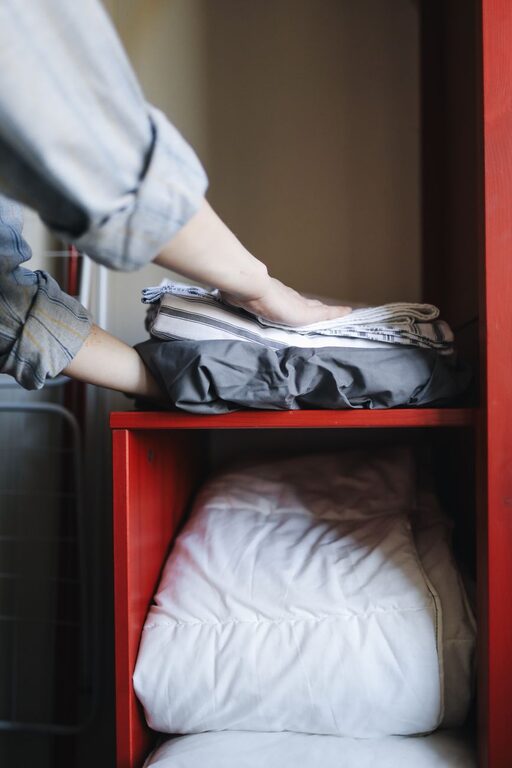
Taking good care of your clothes can help them look better, feel comfortable, and last longer. Proper care also reduces the need to replace worn items, saving time and money while making your wardrobe easier to manage.
The best routine depends on the fabric, garment design, and care label. Still, a few simple habits work for most wardrobes. From washing less often to storing clothes correctly, small changes can make a noticeable difference.
Read the Care Label
Care labels provide the most reliable instructions for cleaning and drying a garment. Before washing something new, check the label for information about:
– Recommended water temperature
– Machine washing or hand washing
– Dry cleaning instructions
– Whether bleach is safe to use
– Drying recommendations
– Ironing or steaming temperatures
A symbol that shows a crossed-out dryer means the item should not be tumble-dried. A low-temperature setting may be suitable for delicate fabrics, while some garments should be laid flat to dry.
If a label is missing or difficult to read, choose the gentlest reasonable method. Cold water, mild detergent, and air drying are generally safer than high heat or strong cleaning products.
Wash Clothes Only When Needed
Washing too often can cause fading, stretching, and fabric wear. Not every item needs to be cleaned after a single use.
Items such as underwear, socks, workout clothing, and clothing worn in hot weather usually need frequent washing. Other garments, including jackets, sweaters, jeans, and some skirts or trousers, may only need cleaning when they are visibly dirty, carry an odor, or have a noticeable spill.
After wearing a garment, hang it in a well-ventilated area before placing it back in your closet. This allows moisture and everyday odors to dissipate. If an item is still clean, wearing it again can help extend its useful life.
Sort Laundry Carefully
Sorting laundry helps prevent color transfer and reduces damage caused by different fabric weights rubbing together. At a minimum, separate:
– Light and dark colors
– White garments
– Heavily soiled items
– Delicate fabrics
– Towels and other lint-producing items
You can also sort by fabric weight. Heavy jeans, towels, and sweatshirts may be too rough for lightweight shirts or delicate garments. Washing similar items together helps protect thinner fabrics from unnecessary friction.
Turn dark clothing inside out before washing. This can reduce fading and help protect printed designs, embroidery, and decorative details.
Use the Right Amount of Detergent
More detergent does not always mean cleaner clothes. Using too much can leave residue in the fabric, attract dirt, and make clothes feel stiff. It may also require extra rinsing.
Follow the instructions on the detergent package and adjust the amount if you are washing a small load. If your water is soft, you may need less detergent than the package suggests. Avoid combining several strong cleaning products unless the care label specifically allows it.
For everyday laundry, a mild detergent is often a practical choice. Keep stronger products for specific stains or heavily soiled items, and test them on a hidden area when possible.
Choose Cool or Warm Water
Hot water can cause some fabrics to shrink, fade, or lose their shape. Cold or cool water is often suitable for everyday clothing and can be gentler on colors.
Warm water may be useful for certain heavily soiled items, but always check the care label first. If you are unsure, select a cooler setting and use an appropriate detergent.
Close zippers, fasten hooks, and button up garments before washing. This helps prevent fasteners from catching on other items or damaging the inside of the washing machine.
Treat Stains Quickly
Fresh stains are usually easier to remove than stains that have dried. As soon as you notice a spill, gently blot it with a clean cloth instead of rubbing. Rubbing can push the stain deeper into the fibers or spread it across a larger area.
Next, rinse or pre-treat the area according to the fabric’s care instructions. Avoid using hot water on a stain unless you know it is safe, because heat can set some stains permanently.
Do not place a stained item in the dryer until you are sure the mark is gone. Dryer heat can make stains more difficult to remove. If a stain remains, repeat the treatment or consult the care label before trying a stronger product.
Protect Delicate Garments
Delicate items benefit from extra care. Place small or fragile garments in a mesh laundry bag before washing. This can reduce stretching, snagging, and contact with zippers or other rough items.
For garments labeled hand wash, use cool water and a gentle detergent. Avoid twisting or wringing the fabric. Instead, press out excess water carefully and lay the item flat on a clean, dry towel.
Sweaters and other stretchable garments should usually be dried flat rather than hung. Hanging them while wet can pull the shoulders out of shape.
Avoid Excessive Dryer Heat
High heat is one of the fastest ways to damage clothing. It can shrink natural fibers, weaken elastic, fade colors, and make some fabrics feel rough.
When possible, air-dry clothes on a drying rack or line. Keep dark garments out of strong direct sunlight, which may cause fading. Shake clothes gently before hanging them to help reduce wrinkles and restore their shape.
If you use a dryer, choose a lower heat setting and remove clothes while they are slightly damp. Clean the lint filter after every load to help the dryer work safely and efficiently.
Store Clothes Properly
Good storage protects clothing between wears. Make sure garments are clean and completely dry before putting them away. Storing damp or dirty clothes can lead to musty odors, stains, or fabric damage.
Use sturdy, appropriately sized hangers for jackets, shirts, and structured garments. Avoid placing too many items on one hanger, as overcrowding can cause wrinkles and make clothes difficult to access.
Fold knitwear, T-shirts, and other garments that may stretch on a hanger. Store them in drawers or shelves where air can circulate. Keep closets reasonably spacious so fabrics do not remain compressed.
For seasonal clothing, wash or clean each item before storage. Use breathable fabric storage bags or containers, and keep them in a cool, dry place. Avoid sealing natural-fiber clothing in damp areas or overcrowded plastic containers.
Repair Small Problems Early
Minor damage can become a major problem if it is ignored. Sew on loose buttons, reinforce small tears, and repair loose hems as soon as possible. Replace worn shoelaces, mend small holes, and secure loose threads instead of pulling them.
Keep a small repair kit with basic items such as needles, thread, scissors, safety pins, and spare buttons. Learning a few simple repairs can help you continue wearing favorite pieces and prevent further damage.
If a garment needs a more complex repair, a tailor or alterations professional may be able to restore it. Repairing a well-made item is often simpler than replacing it.
Refresh Clothes Between Washes
Some garments can be refreshed without a full wash. Hang them in fresh air, use a fabric brush to remove surface dust, or gently steam them to reduce wrinkles. Always check the care label before steaming, especially for delicate fabrics.
A clothes brush can also help remove lint, hair, and light debris from coats and trousers. Store the brush clean and use gentle strokes to avoid pulling fibers.
Build a Simple Care Routine
Clothing care does not need to be complicated. A few consistent habits can make a big difference:
– Check care labels before washing
– Wash items only when needed
– Sort laundry by color and fabric weight
– Use cool water and the correct amount of detergent
– Air-dry whenever practical
– Fold garments that may stretch
– Treat stains as soon as possible
– Repair small damage early
By handling clothes gently and giving them suitable care, you can keep your wardrobe looking its best for longer. A thoughtful routine protects fabric, preserves fit, and helps every garment provide more comfortable, useful wear.