
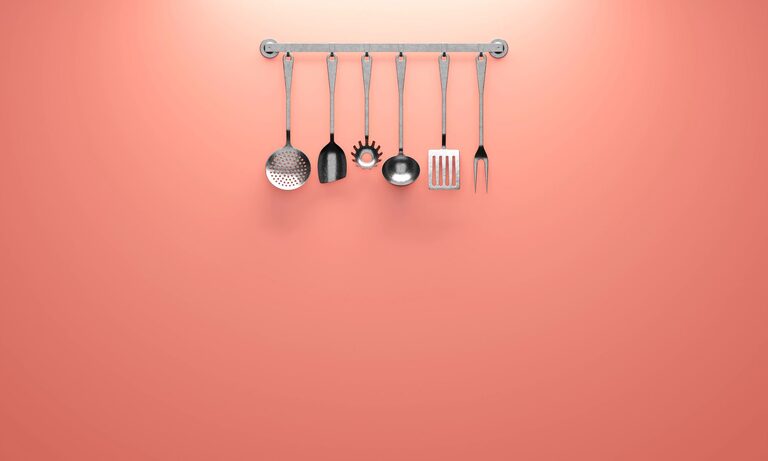
A small kitchen does not need to limit the meals you can prepare. With the right tools, even a compact space can support everything from quick breakfasts to weekend baking. The key is to choose versatile items that perform several jobs, fit neatly into your storage areas, and are comfortable to use.
Instead of filling cabinets with single-purpose gadgets, focus on a practical collection of reliable basics. The following tools can help you cook efficiently while keeping your kitchen organized.
Start With the Essential Prep Tools
Food preparation is part of nearly every recipe, so a few well-chosen tools can make a big difference.
Chef’s Knife
A sharp chef’s knife is one of the most useful tools in any kitchen. It can chop vegetables, slice fruit, mince herbs, and prepare meat or other ingredients. For a small kitchen, one dependable knife is often more useful than a large collection of specialized blades.
Choose a knife that feels balanced in your hand and has a comfortable handle. A blade around 8 inches is a practical size for many home cooks. Store it safely in a knife guard, drawer organizer, or compact magnetic strip.
Paring Knife
A small paring knife is helpful for peeling, trimming, and handling small ingredients. It takes up very little space and works well for tasks that feel awkward with a larger knife.
Cutting Board
Look for a cutting board that is large enough to use comfortably but small enough to store easily. A board with a handle or hanging hole can be kept on a wall or inside a cabinet. If counter space is limited, a board that fits over the sink can create an extra work surface.
Wood and plastic boards are both practical choices. Whichever material you select, keep the board stable by placing a damp towel underneath it while cutting.
Kitchen Shears
Kitchen shears are useful for cutting herbs, opening food packages, trimming vegetables, and dividing poultry. They can often replace several smaller tools and are easy to store in a drawer.
Select a pair that comes apart for cleaning if possible. This feature is especially helpful when the shears are used for more than paper or packaging.
Choose Space-Saving Cookware
A small kitchen benefits from cookware that can move easily from the stovetop to the oven or serve more than one purpose.
One Medium or Large Skillet
A versatile skillet can handle sautéing, frying, reheating, and simple one-pan meals. A 10- or 12-inch skillet is large enough for many recipes without taking up the space of several smaller pans.
A stainless steel, cast iron, or nonstick skillet can work well. Consider your cooking habits, cleaning preferences, and storage space before choosing one. If cabinet space is very limited, a skillet with a removable handle can be easier to store.
One Saucepan With a Lid
A saucepan is useful for cooking grains, heating soups, preparing sauces, and boiling small portions of pasta or vegetables. Choose a size that matches the meals you prepare most often. A lid is important because it helps retain heat and makes simmering more efficient.
A Stockpot or Dutch Oven
If you regularly cook soups, stews, pasta, or larger batches of food, one deeper pot is worth having. A compact stockpot can cover many cooking tasks, while a Dutch oven can often move from the stovetop to the oven.
For a very small kitchen, choose only one of these options. A pot with a flat lid can also double as a temporary surface when it is not in use, as long as it is cool and clean.
Nesting Bowls
Mixing bowls that fit inside one another save valuable cabinet space. A set with three or four sizes can be used for mixing, washing produce, serving, and storing leftovers.
Stainless steel bowls are lightweight and durable. Glass bowls can double as serving dishes and may be useful for microwave cooking. Choose the material that best matches your storage and cooking needs.
Add Versatile Measuring and Mixing Tools
Basic measuring tools support both everyday cooking and baking.
Measuring Cups and Spoons
A compact set of dry measuring cups and spoons is useful for recipes, portioning ingredients, and preparing beverages. If you often work with liquids, include one heat-resistant liquid measuring cup with clear markings.
For kitchens with very limited drawer space, look for measuring cups and spoons that nest together or clip into one set.
Silicone Spatula
A silicone spatula can scrape bowls, fold ingredients, stir sauces, and spread batter. It is gentle on nonstick cookware and usually takes up little room.
A heat-resistant model is the most versatile choice. One sturdy spatula may be enough for many tasks, so there is no need to keep several similar versions.
Wooden Spoon or Heat-Resistant Spoon
A wooden spoon is useful for stirring soups, sauces, grains, and vegetables. It is comfortable to hold and does not easily scratch cookware. A heat-resistant cooking spoon made from silicone or another durable material is another practical option.
Whisk
A small or medium whisk can blend sauces, eggs, dressings, and batters. A compact whisk is usually sufficient for a small kitchen and can be stored in a utensil holder or drawer.
Keep Food Storage Simple
Good storage tools help reduce clutter and make ingredients easier to find.
Stackable Containers
Choose food containers that stack securely and use similar shapes. Square or rectangular containers often make better use of refrigerator and cabinet space than round ones.
A small set of different sizes is usually more useful than a large collection. Clear containers can also make it easier to see what you have and reduce forgotten leftovers.
Reusable Bags or Wraps
Reusable silicone bags, washable fabric covers, or a modest supply of food wrap can protect ingredients without taking up much space. Store them vertically in a drawer or container so they remain easy to access.
Labels and a Marker
Simple labels can help identify leftovers and prepared ingredients. A washable marker or reusable label system keeps the refrigerator organized without requiring extra containers.
Include Small Appliances Carefully
Small appliances can be helpful, but they often take up more room than expected. Before buying one, consider whether it performs a task you do often.
Toaster Oven or Compact Air Fryer
A toaster oven can toast bread, reheat food, roast vegetables, and bake small portions. An air fryer can also provide quick cooking and crisp results. In a small kitchen, it may be best to choose one appliance that matches your routine rather than owning both.
Immersion Blender
An immersion blender is easier to store than a full-size blender and works well for soups, sauces, smoothies, and dressings. Because it can be used directly in a pot or container, it may also reduce the number of dishes you need to wash.
Electric Kettle
An electric kettle is convenient for tea, coffee, instant grains, and boiling water before adding it to a pot. Choose a compact model with a small footprint if counter space is limited.
Organize Tools for Easy Access
Even the best tools become inconvenient when they are difficult to reach. Store frequently used items near the main preparation area. Keep knives safely separated, group cooking utensils in one container, and use vertical space whenever possible.
Shelf risers, drawer dividers, wall hooks, and magnetic strips can create extra storage without adding another cabinet. Store heavy cookware on lower shelves and place rarely used tools in higher or less accessible areas.
Finally, review your kitchen tools every few months. If an item has not been used in a year and does not serve an important purpose, consider donating or recycling it according to local guidelines. A small kitchen works best when every tool earns its place.